
I. Key Maintenance Points for Extending Lifespan (Detailed Practical Guide)
(I) Installation Stage: Laying a Solid Foundation to Avoid Rework
Installation is the foundation of lifespan; many early failures stem from this. Four points must be addressed:
1. Precise Alignment: The rotary shaft and the main shaft of the equipment must have a coaxiality of ≤0.1mm and a parallelism of ≤0.05mm. Use a dial indicator for measurement; avoid striking or forcing the installation.
2. Flexible Connection: Use flexible components such as metal hoses for connection to reduce pipe stress; reserve an axial expansion space of ≥5mm to accommodate thermal expansion and contraction.
3. Cleaning and Lubrication: Before installation, wipe the sealing surface with anhydrous ethanol to remove impurities; apply appropriate grease according to working conditions, and avoid using inferior or mixing different types of products.
4. Parameter Matching: Verify that the joint pressure, temperature, medium, and rotational speed match the equipment. For example, use a graphite-silicon carbide sealing pair for high-temperature steam, and corrosion-resistant materials for corrosive media.
(II) Operation Process: Consistent Daily Maintenance
Maintenance during operation is crucial for extending lifespan and can significantly reduce failures:
5. Filtration Impurities: Install a filter of ≥20μm at the inlet end and replace the filter element regularly; media prone to crystallization require heating/insulation to prevent sedimentation and blockage.
6. Stable Parameters: Pressure fluctuation ≤ ±10% of the rated value; avoid operating above rated pressure, temperature, and speed to prevent seal failure or safety accidents.
7. Regular Inspection: Check for leaks daily (≤3 drops/minute is normal), temperature, and abnormal noises; tighten bolts weekly and measure rotational speed (≤110% of rated speed); replenish grease monthly (1/2-2/3 of bearing cavity) and check sealing surfaces. Keep records for future reference.
8. Standard Operation: Avoid dry running and supporting pipe weight; close valves before shutting down, and disconnect power after cooling to prevent oxidation of sealing surfaces.
(III) Shutdown and Storage: Long-term protection should not be neglected
Maintenance during shutdown/idle periods is often overlooked, but it is crucial to prevent damage from disuse:
9. Shutdown Procedure: Before long-term shutdown (>7 days), flush the interior with clean water or a suitable solvent; apply anti-rust oil to metal sealing surfaces, and seal the inlet and outlet after disassembly.
10. Storage Requirements: Store in a dry, ventilated, and non-corrosive place, horizontally and without stacking; store rubber seals separately, avoiding direct sunlight. Organic solvents.
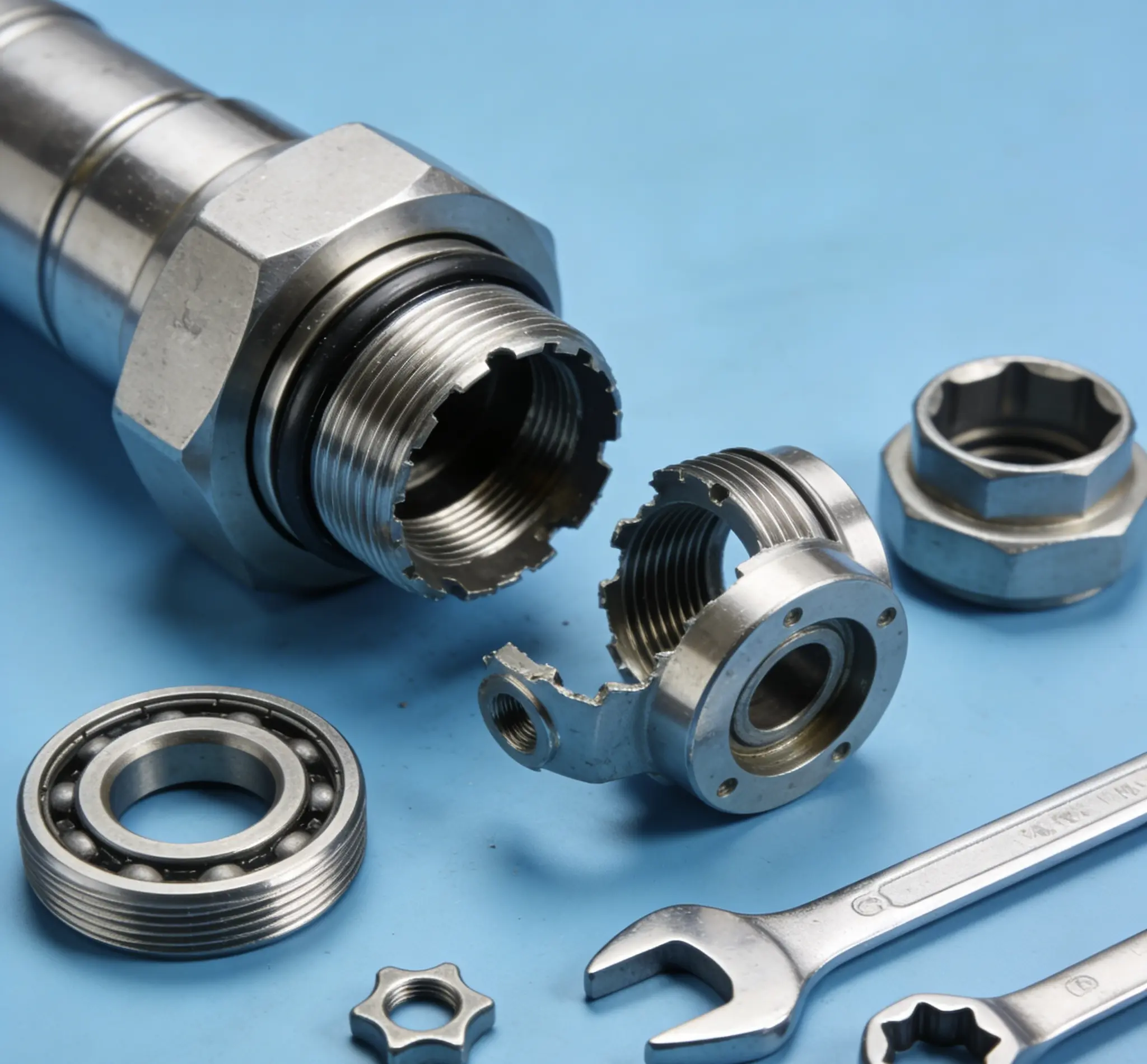
II. Practical Instructions for Warranty Service (Clear and Unambiguous)
The following clearly outlines the core warranty information to avoid misunderstandings regarding warranty claims:
(I) Clarifying the 3 Core Conditions for Warranty Coverage
Warranty coverage requires meeting all three conditions simultaneously:
11. Valid Warranty: Genuine product from a legitimate manufacturer, with a certificate of conformity, and within the 12-24 month warranty period (as specified in the contract/manual).
12. Standard Operation: Installed, used, and maintained according to the instruction manual, without exceeding operating limits, dry running, or other violations.
13. Complete Documentation: Ability to provide proof of purchase, certificate of conformity, and installation and maintenance records.
(II) Distinguishing Between What is and is Not Covered by the Warranty
The warranty scope is clearly defined, covering two categories:
14. Free Warranty Service: Non-human-induced quality problems, such as natural wear and tear of sealing surfaces, bearing failure, non-impact cracking, etc.
15. Situations Not Covered by Warranty: Human-induced damage, operation exceeding operating limits, lack of maintenance, force majeure, unauthorized disassembly or modification, and use of non-original parts.
(III) 3 Steps to Complete a Warranty Claim and Efficiently Resolve Problems
Follow these 3 steps to file a warranty claim after a malfunction. Efficient Problem Solving:
16. Timely Reporting: Immediately shut down the machine and protect the site. Contact after-sales service within 24 hours, specifying the model, fault, and operating conditions, and attach photos of the fault.
17. Cooperation in Verification: Cooperate with after-sales service for verification. Do not disassemble connectors without authorization to avoid affecting the warranty.
18. Confirmation and Record Keeping: If the problem is within the warranty scope, repair/replace it free of charge; if outside the scope, confirm the paid solution; sign and confirm after repair, and keep records.
III. Emergency Handling of Common Faults (Quick Damage Control)
Emergency handling of common faults for quick damage control:
19. Slight Leakage: Shut down the machine, tighten bolts, and clean the sealing surface; if ineffective, reduce the pressure and contact for replacement of sealing parts. Do not operate with leakage for extended periods.
20. Abnormal Noise and Vibration: Immediately shut down the machine, check bearing wear, calibrate coaxiality, and remove air bubbles from the medium before restarting.
21. Sealing Surface Burnout: Immediately shut down and disconnect the power, replace the sealing pair; troubleshoot medium supply and lubrication problems to prevent recurrence.
The lifespan of a rotary joint largely depends on human maintenance. Good basic maintenance and familiarity with warranty rules can ensure stable operation. For special working conditions, contact the manufacturer for customized solutions.
Post time: 12-05-2025